

Neurological Conditions
Cerebrovascular Accident (CVA / Stroke)
Stroke can cause weakness, paralysis, sensory loss, and cognitive deficits.
Occupational Therapy interventions:
Motor rehabilitation
Exercises to improve strength, coordination, and range of motion
Constraint-induced movement therapy (using affected limb)
ADL training
Re-learning tasks such as dressing, bathing, cooking
Cognitive rehabilitation
Memory, attention, and problem-solving exercises
Visual-perceptual training
For neglect or visual field deficits
Adaptive equipment
One-handed tools, grab bars, modified utensils
Positioning & splinting
Prevent contractures and promote function
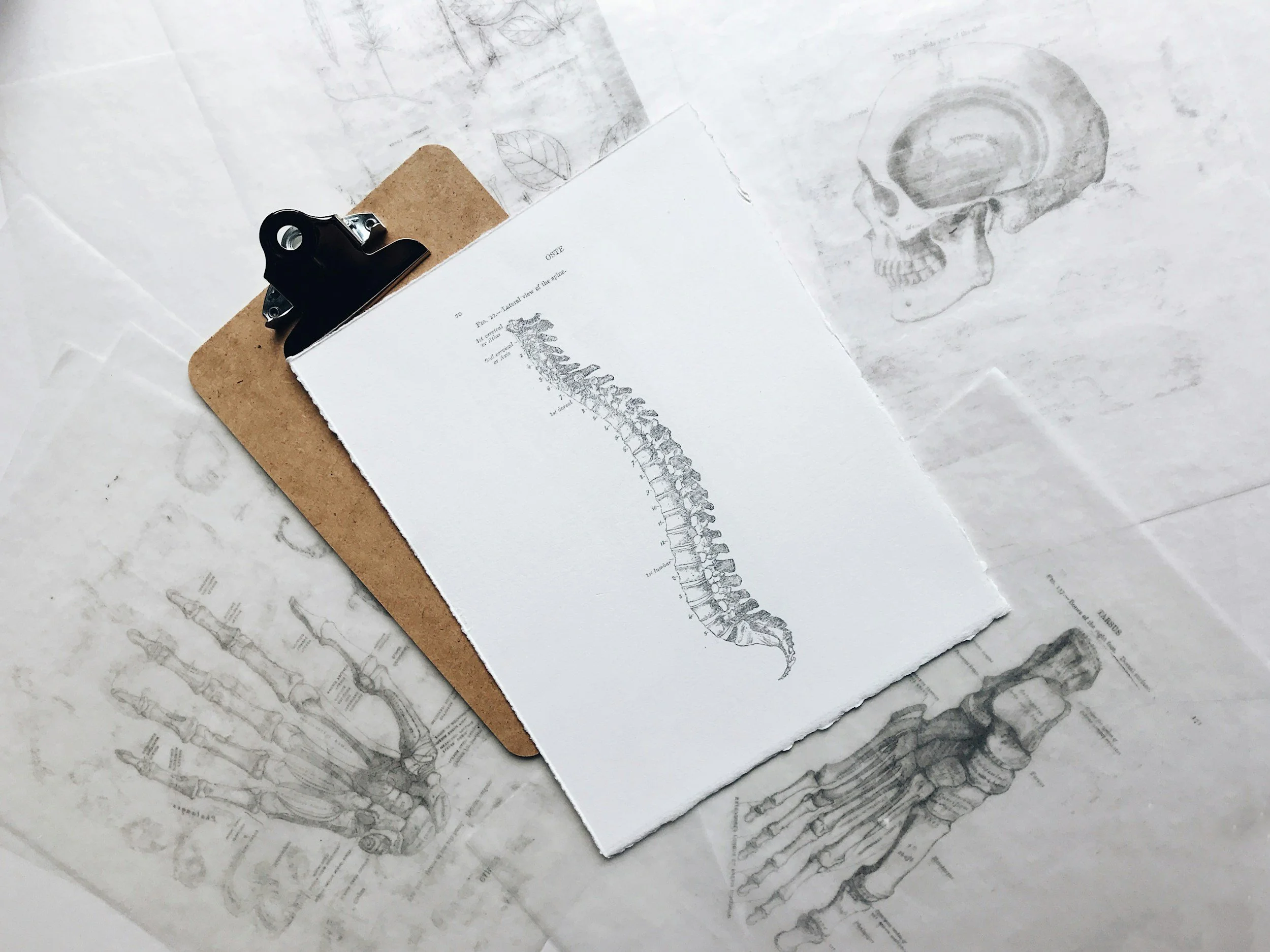
Spinal Cord Injury (SCI)
SCI leads to partial or complete loss of motor/sensory function below the level of injury.
Occupational Therapy interventions:
Self-care retraining
Dressing, feeding, grooming with adaptive techniques
Wheelchair training
Mobility, transfers, pressure relief strategies
Upper limb strengthening
Particularly in paraplegia for independence
Environmental modifications
Home modifications (ramps, widened doors)
Assistive technology
Voice-controlled devices, adaptive computer use
Energy conservation strategies
Parkinson’s Disease
A progressive disorder causing tremors, rigidity, bradykinesia, and postural instability.
Occupational Therapy interventions:
Movement strategies
Task-specific training to overcome freezing (cueing techniques)
ADL simplification
Breaking tasks into smaller steps
Fine motor skill training
Improving handwriting, buttoning, utensil use
Balance and posture training
Adaptive tools
Weighted utensils, dressing aids
Energy conservation & fatigue management

Vertigo
(often vestibular-related)
Vertigo causes dizziness, imbalance, and disorientation.
Occupational Therapy interventions:
Vestibular rehabilitation therapy (VRT)
Habituation exercises (repeated exposure to movements causing dizziness)
Gaze stabilization exercises
Balance training
Functional retraining
Safe performance of daily tasks
Fall prevention strategies
Environmental adaptation
Removing hazards at home
Deconditioning
Occurs due to prolonged inactivity or illness, leading to weakness and reduced endurance.
Occupational Therapy interventions:
Graded activity programs
Gradual reintroduction of daily activities
Strength and endurance training
Activity pacing
Avoid fatigue by balancing rest and activity
Functional task practice
Improving ability to perform ADLs
Motivation and routine building
Peripheral Vestibular Disorders
Includes conditions like benign paroxysmal positional vertigo (BPPV).
Occupational Therapy interventions:
Vestibular rehabilitation
Repositioning maneuvers (e.g., Epley maneuver)
Balance and coordination exercises
Postural control training
Gaze stabilization exercises
Desensitization exercises
Home safety education
Reduce fall risks
Common Goals Across All Conditions
Occupational therapists aim to:
Restore independence in activities of daily living (ADLs)
Improve motor and cognitive function
Enhance safety and reduce fall risk
Promote participation in meaningful activities
Recommend assistive devices and modifications
Occupational therapy does not just treat the disease itself—it focuses on helping individuals function in everyday life, adapting tasks, environments, and skills to maximize independence despite neurological impairments.