
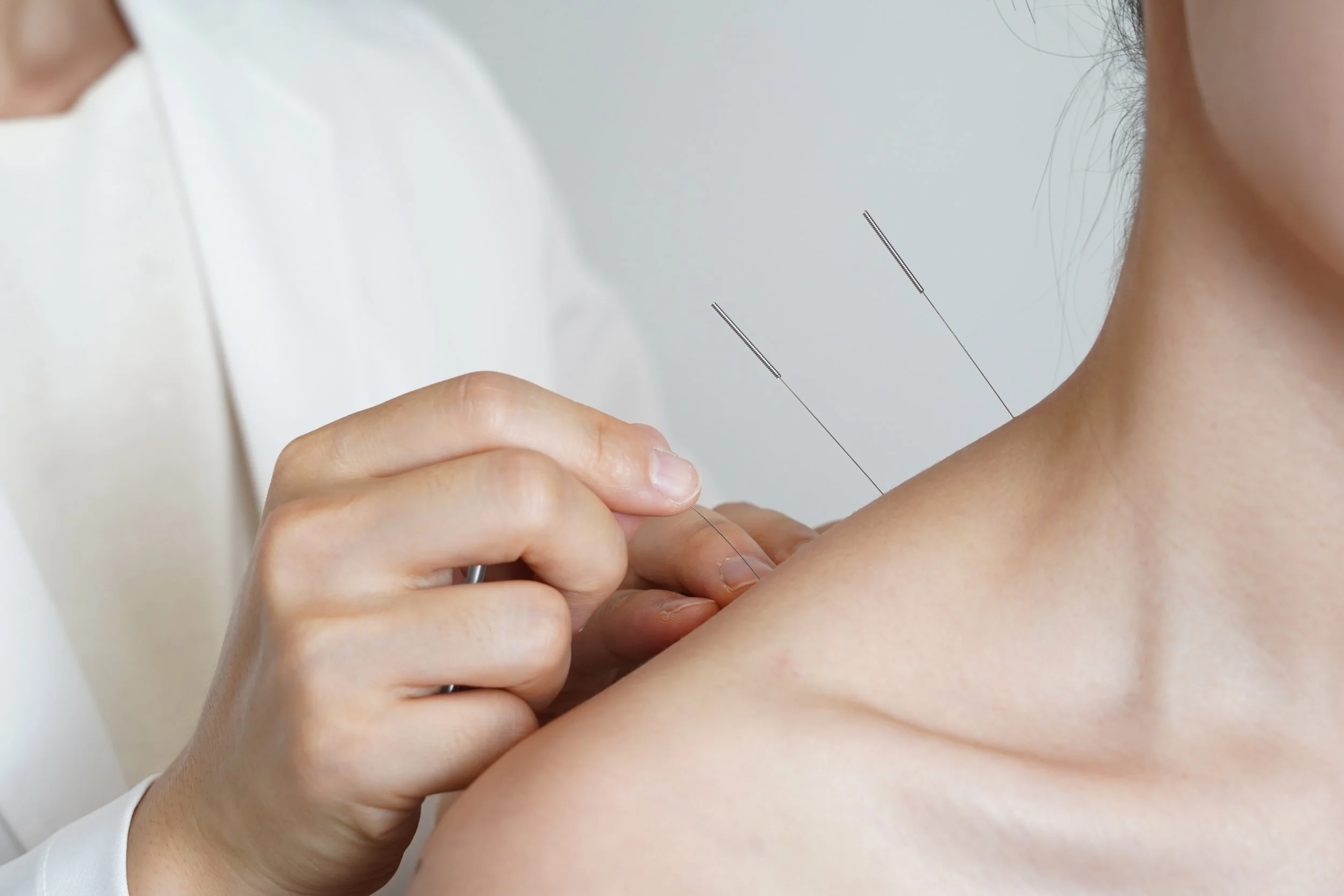
Dry Needling
Dry needling is a therapeutic technique performed by a trained healthcare professional that involves inserting very thin, sterile needles into specific areas of muscle tissue known as trigger points, taut bands, or areas of tension. Unlike acupuncture, which is based on traditional Chinese medicine principles, dry needling is grounded in modern anatomy and neuromuscular science.
Dry needling is used to treat a variety of musculoskeletal conditions and can provide several benefits, including:
Pain reduction: By targeting tight or sensitive muscle areas, dry needling can help decrease local and referred pain.
Improved muscle function: The technique can release muscle tightness and restore normal movement patterns.
Enhanced circulation: Needle insertion may increase blood flow to the affected area, promoting healing.
Reduced inflammation: It can help calm irritated tissues and support recovery from injury.
Improved range of motion: Patients often experience greater flexibility and mobility following treatment.
How Dry Needling Helps Patients
Conditions Commonly Treated
Dry needling is often used as part of a comprehensive treatment plan for conditions such as:
Neck/Back Pain
Shoulder Pain
Tennis/Golfers Elbow
Headaches
Hip and Gluteal Pain
Knee Pain
Achilles Tendonitis/Tendonosis
Plantar Fasciitis
Sciatica
Muscular Strains/Ligament Sprains
Chronic Pain
Is it Safe?
Overall, dry needling is a safe and effective technique when performed by a qualified provider. It is commonly integrated with other therapy interventions to help patients move better, feel less pain, and return to their normal activities more quickly.